


Nearly 80 Years of Family, Gases and Getting it Done
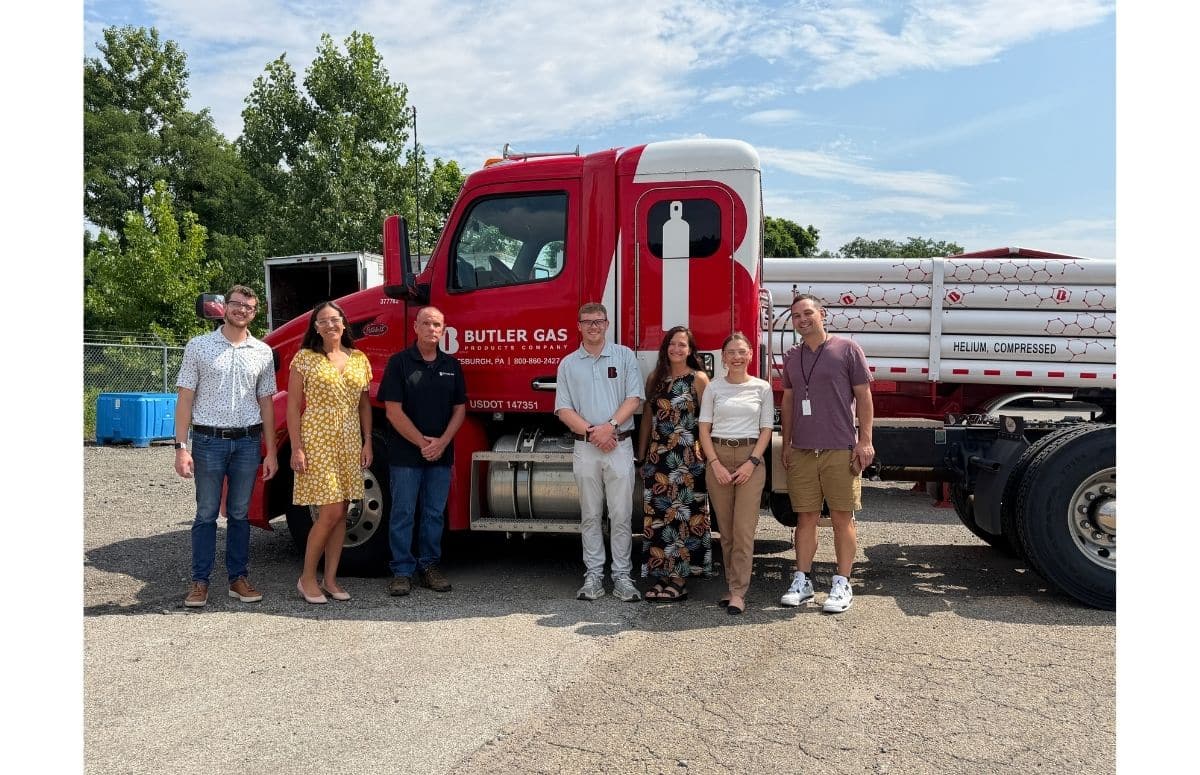
A recent trip to Pittsburgh gave me the opportunity to stop by Butler Gas Products and spend time with the Butler Gas team. Butler Gas is owned by a family that needs little introduction to longtime GAWDA members: Jack, Elissa, and Abydee.
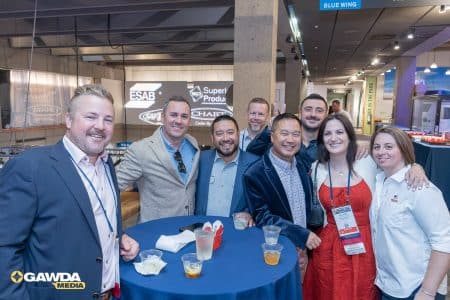
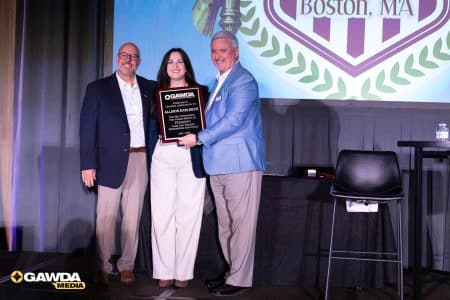
The Butler family has been heavily involved in GAWDA for decades, from board positions and event planning to speaking, education and industry leadership. Of course, there is also the distinction of Jack and Abydee becoming the first “father-daughter-duo” to both serve as GAWDA president: Jack in 1992-93 and Abydee in 2019-21.
Founded in 1948, Butler Gas Products is a third-generation, family-owned manufacturer and distributor of industrial, specialty, medical and beverage gases headquartered in Pittsburgh. And when I say Pittsburgh, their headquarters sits only about four miles from the Pirates/Steelers stadiums, giving them what I call “luxury real estate” for a gas distributor operating in a major city. Aside from their headquarters/main filling location, Butler also operates an Acetylene plant in New Brighton where there is also a retail store. Two additional retail locations include Verona, PA and Morgantown, WV.
The family’s roots in the compressed gas business go back even further to the 1930s. Today, Butler has grown into a regional packaged gas operation serving customers throughout Pennsylvania, Ohio, West Virginia, New York, and Maryland.
If you have also attended GAWDA Seven Springs or remember the 2021 GAWDA SMC in Nashville or AC in Colorado Springs that year, you would remember how organized and detailed these events were. After walking through Butler’s operation, it all makes sense, as this same mindfulness carries right into their family business.
BUTLER IS A POWERHOUSE OF A GAS OPERATION.
One of the biggest differentiators that stood out during my visit is just how gas-focused the company remains. While many gas distributors have built significant hard goods businesses, 90% of Butler’s model still revolves around gases. They fill and handle everything from oxygen, nitrogen, argon and CO2 to hydrogen, acetylene, helium, and specialty mixtures. They do operate three retail locations offering hard goods but the gas is their bread and butter.
Their specialty gas capabilities were particularly remarkable. Butler is an ISO certified Purity Plus distributor with a dedicated specialty gas lab separate from its industrial filling operation. They can manage high-pressure specialty mixes and use cylinder tracking to help manage inventory while identifying when customers may have older or stale mixes.
Outside, that “luxury real estate” comes with a huge parking lot with plenty of space for a large fleet of specialized trucks and trailers, with covered storage to help protect assets from Pennsylvania winters and harsh summers and even on-site fueling.
That may sound like a small detail, but when you have dozens of vehicles moving every day, eliminating unnecessary fuel stops saves driver time out on the route. Buying fuel in bulk also gives the company greater control and cost-efficiency.
Butler’s transportation capabilities are another major advantage. Rather than relying exclusively on outside suppliers for transportation, the company operates tankers and tube trailers for products including oxygen, nitrogen, argon, carbon dioxide, hydrogen, and helium and can pick up products directly from the source. Sleeper cabs also allow Butler to efficiently reach wholesale customers within a 250-mile radius, including the New York market. This control becomes especially important when customers are depending on gas every day.
AN INDEPENDENT DISTRIBUTOR WITH
MAJOR CAPABILITIES.
Butler runs a lean operation with fewer than fifty employees, yet one thing I noticed when walking through the facility tour was the experience level of the employees working there. Some employees have spent decades with the company, including team members with exceptionally long tenures. There really is not much room for “B players” in an operation like theirs. Everyone I met during the visit and many Butler employees I have interacted with over the years share these same qualities: knowledgeable, hardworking, and wearing multiple hats.
That experience allows Butler to keep a surprising amount of work in-house. Facility repairs, cylinder re-qualification and equipment servicing can be overseen internally, while technicians also provide service at customer locations. A point of pride for Butler is to be as “independent” as possible, and these additional capabilities add to their independence.
Butler’s customer base is just as diverse. Manufacturing remains its largest segment, followed by steel fabrication and industrial, but the company also serves government entities, research applications, hospitals, and distinct niche markets. That diversity combined with bulk, microbulk, packaged gases, specialty mixes, and transportation capabilities gives Butler ways to serve customers without moving too far from what it knows best, gas.
After close to 80 years, Butler Gas Products has accumulated an impressive collection of assets and capabilities, and there is only more to come. But what stood out most during my visit was not any one fill plant, truck, or piece of technology; it was how all these pieces work together.
Family ownership, experienced employees, investment in infrastructure and ability to control more of its own supply chain have created an operation with capabilities of a much larger company while still feeling very much like a family-run independent.
And after spending a little time at the Pittsburgh facility, it is easy to see why Butler Gas Products’ name has remained so connected to both GAWDA and the gas industry for generations.