Trending
- Holston Gases Acquires Athens Gas and Welding Supply, Inc.
- 2026 Southeast Regional Recap
- AWISCO Attends and Helps Judge SkillsUSA Regional Competition
- In Memoriam: Phyllis Heppel Valentine
- B&J Welding Supply Names Abel Castillo Branch Manager of its Abilene Location
- Shane Poole Named Area Operations Manager at Middlesex Gases
- Ashley Bivins Named VP of Business Development for AWG
- In Memoriam: John “Buzz” Campbell



Browsing: SAFETY
The following is an excerpt from the GAWDA Safety Organizer, a monthly bulletin sent to GAWDA members. For more information on the GAWDA Safety Organizer, or to read past issues, visit the GAWDA.org Members-Only Section.At least every 12 months, the motor carrier must review the driving record of each driver, including compliance with the Federal Motor Carrier Safety Regulations and the Hazardous Materials Regulations. This means doing the review on or before the same date next year. If you go past the date, then DOT, during their audit, would try to find if you used the driver during the lapse.…
The following is an excerpt from the GAWDA Safety Organizer, a monthly bulletin sent to GAWDA members. For more information on the GAWDA Safety Organizer, or to read past issues, visit the GAWDA.org Members-Only Section. Everyone operating Commercial Motor Vehicles (CMVs) (power units only) in interstate commerce must register and pay a fee based on the number of CMVs operated in interstate commerce. Vehicles used solely in intrastate commerce are exempted from the registration and fees. Please remember that you only pay for the powered commercial motor vehicles, not trailers. Definition of Interstate Commerce Interstate commerce is the general term…

The following is an excerpt from the GAWDA Safety Organizer, a monthly bulletin sent to GAWDA members. For more information on the GAWDA Safety Organizer, or to read past issues, visit the GAWDA.org Members-Only Section. Lessons learned is a new section of the GAWDA Safety Organizer that details lessons from fellow GAWDA members’ incidents, accidents and injuries. Information is sanitized to keep the member’s identity anonymous, unless the member company chooses to share their identity. Battery operated devices are everywhere and the welding industry is not immune, with battery operated welders becoming more popular. But these battery-operated devices come with…
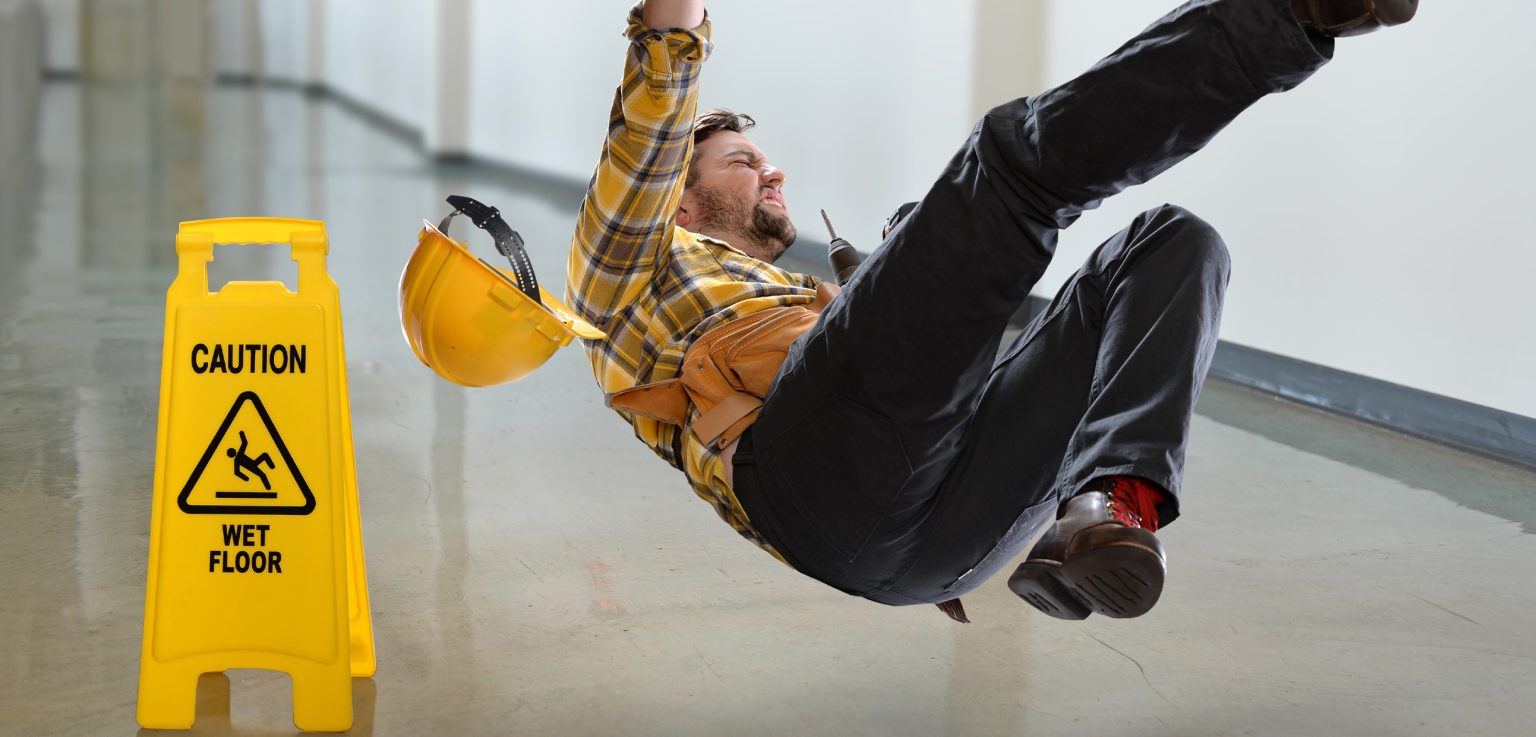
According to OSHA, the most common work-related injuries are from slips, trips, and falls. Statistics show that more than 25% of all injuries across all industries are caused by slips, trips, and falls. Also, falls are the second leading cause of death across all industries and leading cause of death in construction. In 2020, 805 workers died in falls, while 211,640 were injured badly enough to miss work. Most people assume that deaths from falls only happen from heights. However, in 2020, 136 workers died in falls from the same level. TRIPS: What is the definition of a trip? A…

The following is an excerpt from the GAWDA Safety Organizer, a monthly bulletin sent to GAWDA members. For more information on the GAWDA Safety Organizer, or to read past issues, visit the GAWDA.org Members-Only Section. Due to the ongoing smoke pollution from the Canadian wildfires employees that work outside – especially drivers and yard employees- could be adversely affected by the smoke. Member companies in the smoke path should review the NIOSH document below (or visit GAWDA.org to download a copy), consider training the employees on the contents of the document and supply N95 respirator masks to affected employees. Wildfire…
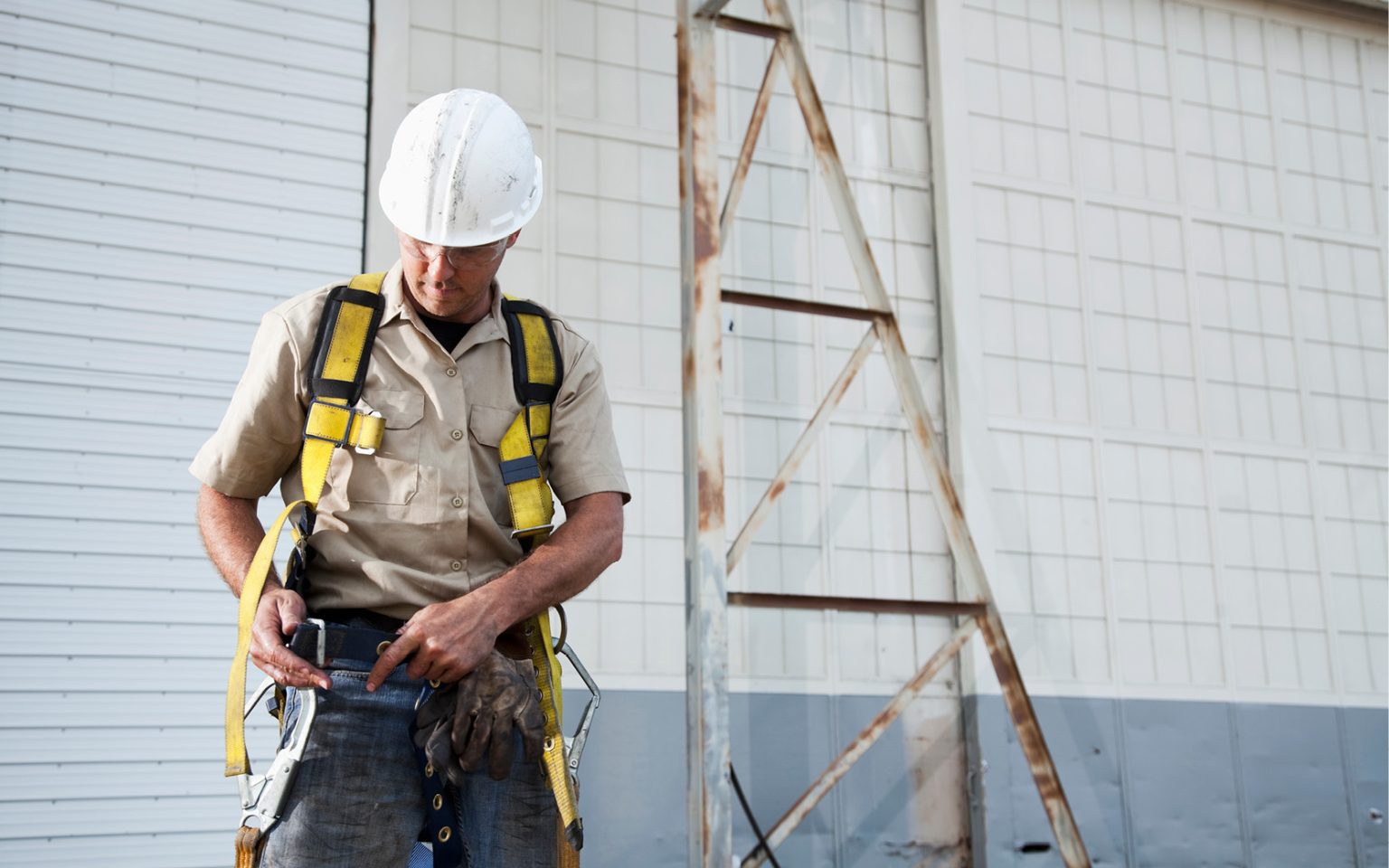
While construction activity often takes place year-round, it truly ramps up in Spring in the U.S. This is often the time that construction companies outfit their employees with proper PPE and training. According to OSHA, falls are the number one cause of death in construction and almost all of them could be prevented with proper PPE and fall protection training. Did you know that the number one cause of construction injuries is also falls? Again, most can be prevented with the right equipment and training. At General Air, we conduct the required fall training for our customers at no charge.…
As summer approaches and the use of BBQ grills increases, we need to be mindful of the dangers propane can introduce when not properly filled, transported, and stored. This article is an overview of propane filling, transportation and storage and in-depth training should be conducted for all three topics. The greatest hazard of propane during the summer months is if liquid propane is vented into the atmosphere, it will vaporize into gas and expand to 270 times the volume. Propane gas is colorless, heavier than air and will pool in low places; if a source of ignition comes into contact…

By Paul Bernier and David O’Guin With many years of experience in the Industrial Gas/Welding supply industry, I have learned that many companies do not truly offer safety services and supplies in their product mix. It is understandable, since the margins are not in line with what we enjoy in gases. But, if you are not providing safety products to your industrial customers, who is? Our main marketing objective is to try and provide as many products as possible to our customers, adding more line items to our invoices, truly striving to be a one-stop provider, as much as possible.…

Machine guarding isn’t confined to machine presses and rollers. Within our own facilities, we have equipment that must be guarded. Some examples of equipment that should be guarded include: exhaust fans, safety stops for blasting machine doors, belt drives and grinding equipment. Guards must: Protect against contact. Be secured to the machine. Ensure that no object can fall into the moving parts. Guards should not create additional hazards or interfere with machine performance. In addition to mechanical guarding, grounding electrical equipment is one of the most important safety measures. Grounding should be applied to the entire system and each individual…

by tom badstubner and michael dodd This GAWDA Safety Alert is issued to inform GAWDA members of potential cylinder damage resulting from internal stress corrosion where carbon dioxide and carbon monoxide are filled in steel cylinders. In the past, cylinders have violently ruptured causing significant damage. Carbon monoxide and carbon dioxide are present in many mixtures. Recently, food gas mixtures (meat processing gas) and laser mixtures have been widely produced. If you are filling mixtures containing carbon monoxide, carbon dioxide, with or without other balance gases, in steel cylinders, it is highly recommended that you obtain CGA P-57, Avoidance Of…
Advertisement
