

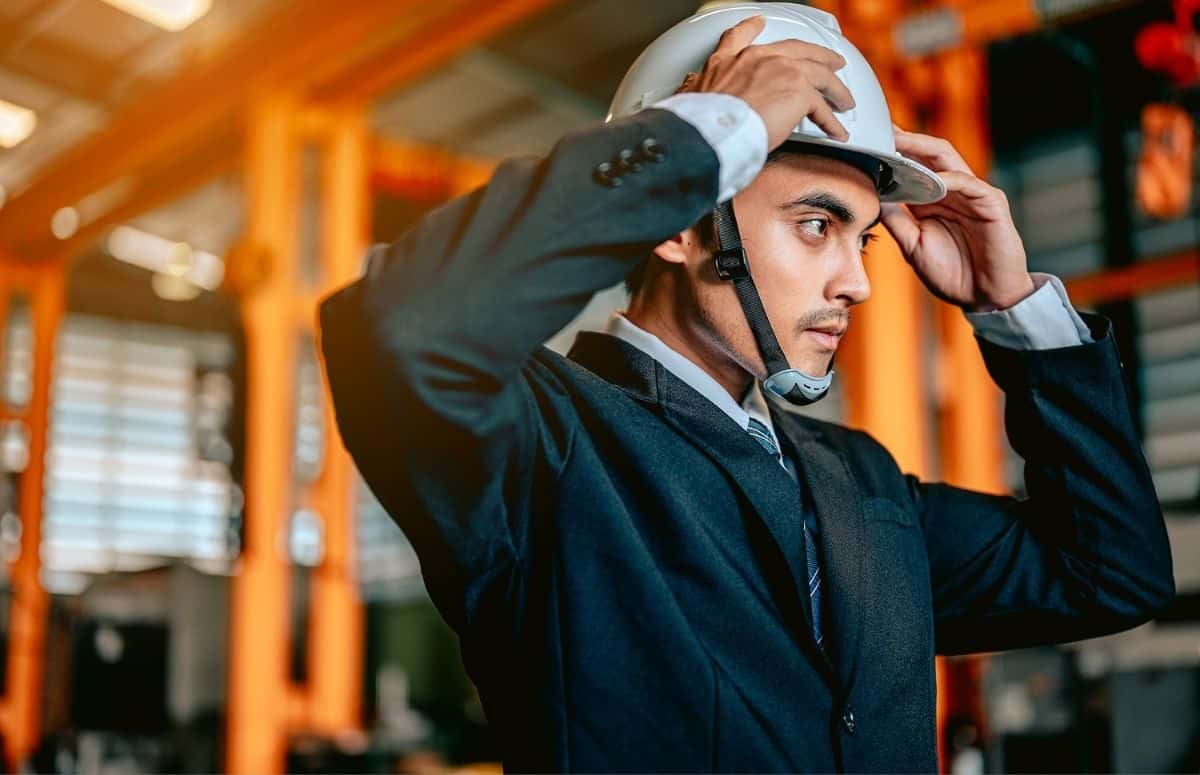

There has been a lot of confusion lately with current OSHA requirements for head protection and all the different types of hard hats available. I have read many letters this past spring from general contractors requiring subcontractors to have all workers on their job site wearing the new type 2 hard hats. This can be very confusing, because type 2 hard hats have been around for more than 60 years. Not a new thing at all.
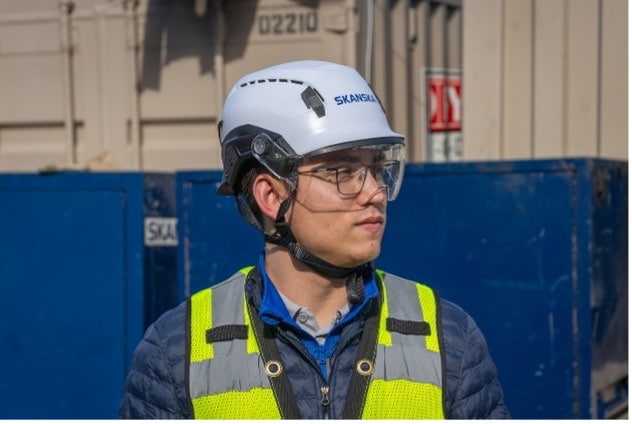
The confusion comes from the newer style “safety helmets,” versus typical hard hats, which have been the norm for 100 years. I’m sure you may have noticed more construction workers wearing hard hats that have chin straps built in now. You may have also noticed European workers wearing hard hats with chin straps resembling what a rock climber would wear. Well, that style of hard hat is called a safety helmet and they are quickly replacing the typical hard hats we have used for many years.
Hard hats were originally used by miners and construction workers to protect their heads from objects falling onto them from above. One of the first job sites that required hard hats was at the construction of the Golden Gate Bridge, because of rivets falling and causing serious injuries to 
TRAUMATIC BRAIN INJURIES (TBI)
TBIs are receiving more attention because of the long-term effects these head injuries can cause, not just the immediate effects of a single bump on the head. Medical research shows future issues can be serious and sometimes deadly. We all hear about what the NFL is doing to better protect its players. Workers need similar protection. Head injuries to construction workers are not just caused by objects from above, many head injuries also occur from slips, trips, and falls; or being struck by an object from the side.
FALLS ARE DEADLY
Falls are the leading cause of worker deaths in the U.S. Falls to a lower level are what we hear about the most but falls from the same level result in thousands of injuries and many deaths as well. In fact, according to the U.S. Bureau of Labor Statistics, 145 workers died from lateral falls. About 20% of all worker-related deaths from falls are from the same level.
Many of these deadly same-level injuries could be prevented if the workers’ hard hats stayed on their heads. They often fall off and offer zero protection. In Colorado, we have had a few incidents where workers fell from very low heights, but, because their hard hats fell off before impact on the hard surface, they succumbed to their injuries. In these cases, a hard hat secured to the workers’ head with a chin strap would have saved their lives.
SAFETY HELMETS/TYPES
TYPE 1 – The safety helmet has a chin strap and reduces the force of impact from a blow to the top of the head only. Offers protection from objects falling from above.
TYPE 2 – The safety helmet has a chin strap and reduces the force of impact from a blow to the top of head and from the sides. Offers protection from objects falling from above, strikes to the side of head, and impact from hitting the ground from a slip, trip, or fall.
AND… different classes
Class “C” or Conductive is a hard hat or safety helmet that does not offer any protection against electrical hazards.
Class “G” or General is a hard hat or safety helmet that offers some protection against contact with electrical hazards, tested to up to 2,200 volts.
Class “E” or electrical is a hard hat or safety helmet tested to protect against electrical hazard contact up to 20,000 volts. This class cannot have vents.
THE CONFUSION
There has been a lot of confusion on job sites this year, mostly because of companies referring to the climbing style hard hats as “type 2.” What they may be requiring is the newer safety style helmet, which, as explained above, can come in type 1 or type 2. Also, OSHA has announced that their own inspectors would be required to wear safety helmets from now on but has not issued a requirement yet for employers.
To conclude, it is important to know exactly what PPE requirements the general contractor requires. They may state “type 2,” but, really, they just want the added protection of workers wearing safety helmets with chin straps to protect against injuries that could occur if the traditional hard hat fell off before impact. Recently, we had a local municipality group asking us to get them type 2 hard hats for their road construction crews. When we asked more questions, we discovered that they wanted safety helmets with vents (type 1). Type 1 is typically lighter and can be more comfortable and less expensive. Also, class C was fine, as they would not be working around electrical hazards at all. So, asking the right questions and providing insight into all the options can help eliminate the confusion and extra expenses that may not be required.